Source: MiniDisc Wiki contributors · September 3, 2026 snapshot · CC BY 4.0, except where otherwise credited.
Attribution and changes
Adapted from “Hitachi MDR-20”. Links, layout and file names normalized; missing database fields restored; remote embeds replaced with links. Manufacturer manuals and separately credited photographs retain their original attribution.
| Name | MDR-20 |
|---|---|
| Manufacturer | Hitachi |
| Released | 1994/01 |
| Device type | portable |
| Recorder | Recorder |
| MDLP | No |
| NetMD | No |
| Hi-MD | No |
| Radio | No |
| Dimensions | 84 x 29.8 x 106mm |
| Weight | 300g (with Batt) |
| ATRAC ver | Not recorded |
| Battery | Not recorded Not recorded |
| Battery notes | 6x AA |
| Sidecar (depr) | Not recorded |
| Voltage | 4.5 |
| Power cable | Not recorded |
| Price (launch) | Not recorded |
| ¥75 000 | |
| - | |
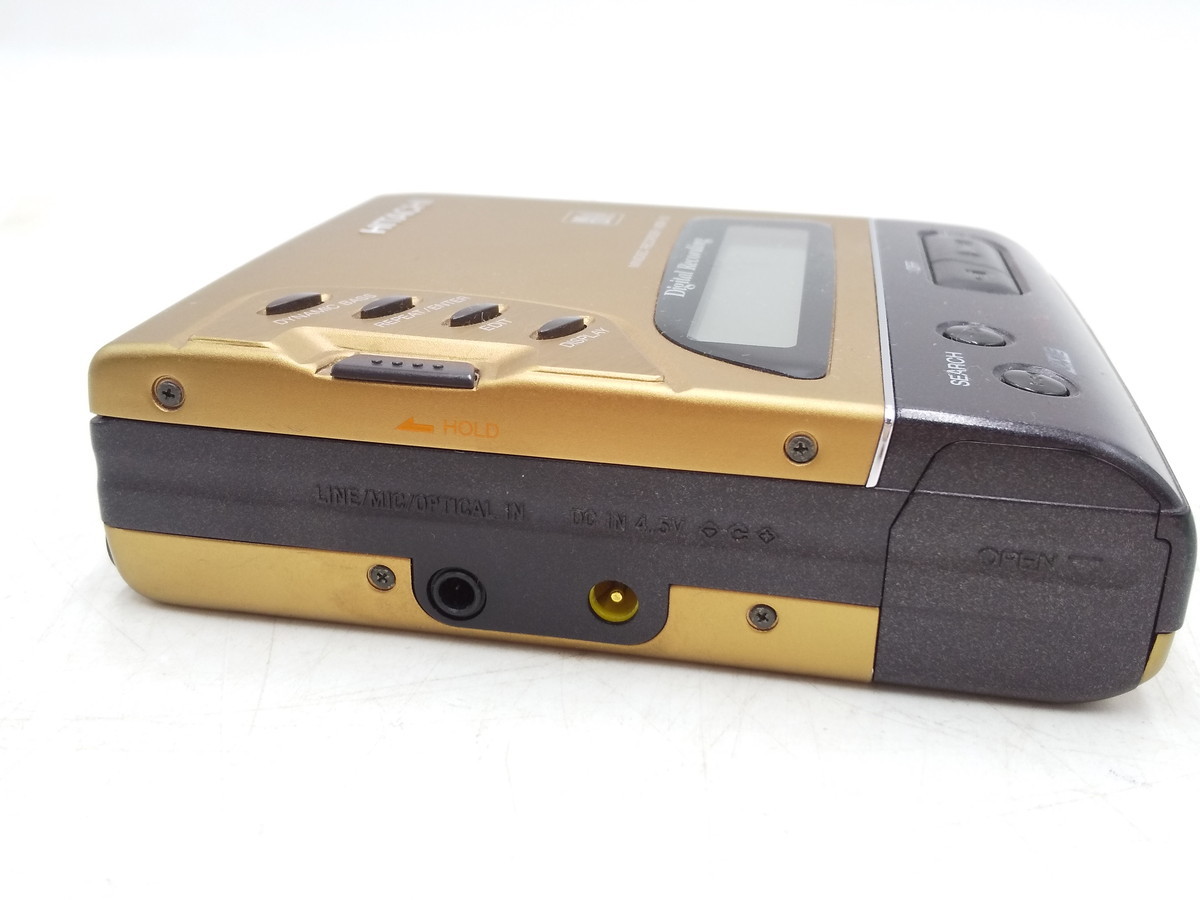
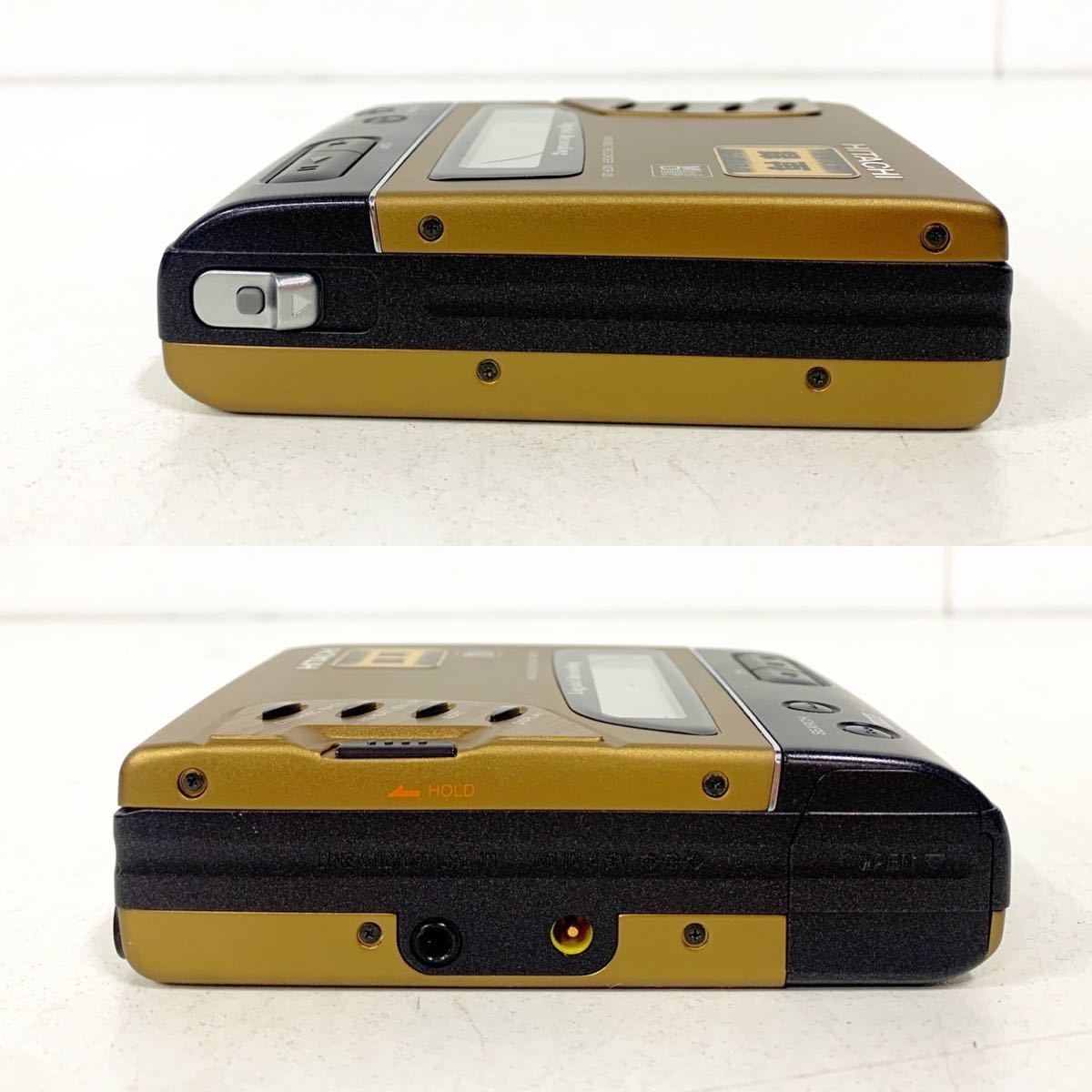
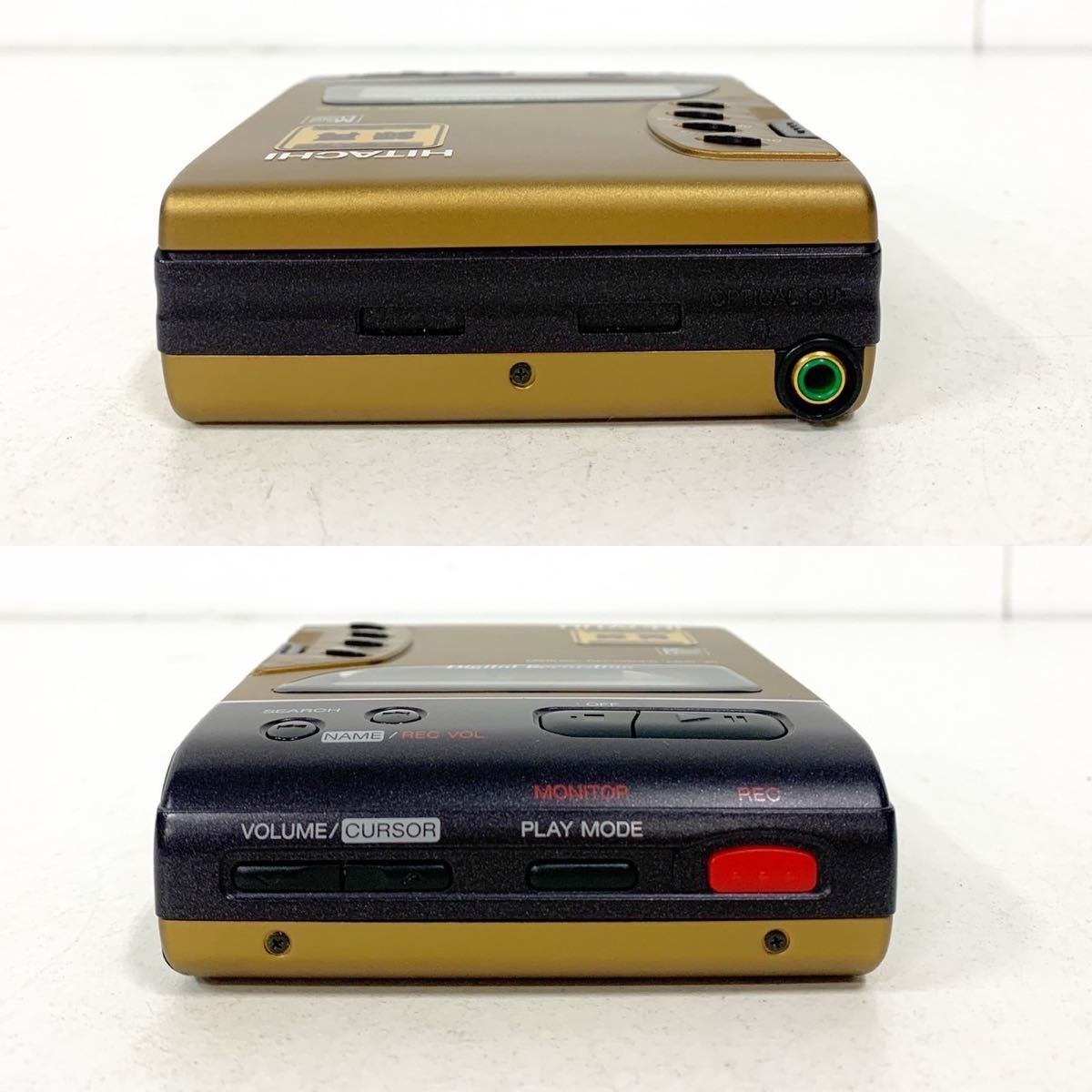
| Inputs | 3.5mm line in (optical multi), 3.5mm microphone |
| Outputs | 3.5mm headphone |
| Control | Not recorded |
Although Hitachi had actively entered the audio industry in the 1970s and 1980s, it was unexpected for Hitachi to join the MD market. In fact, in 1993, Hitachi launched its first MD player under its own audio brand.
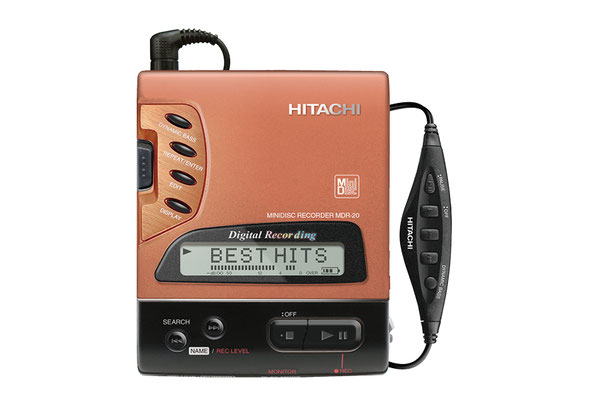
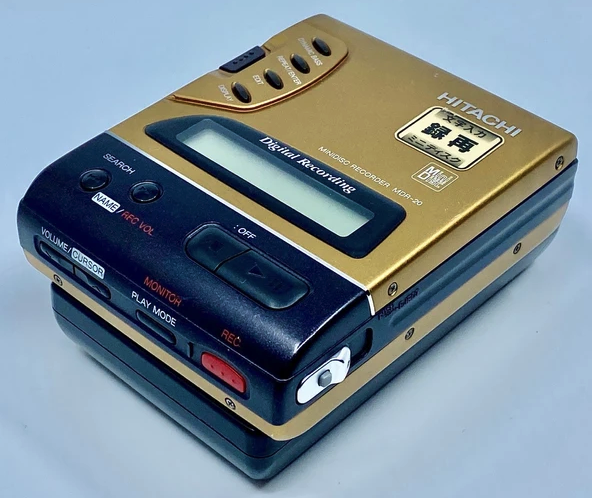
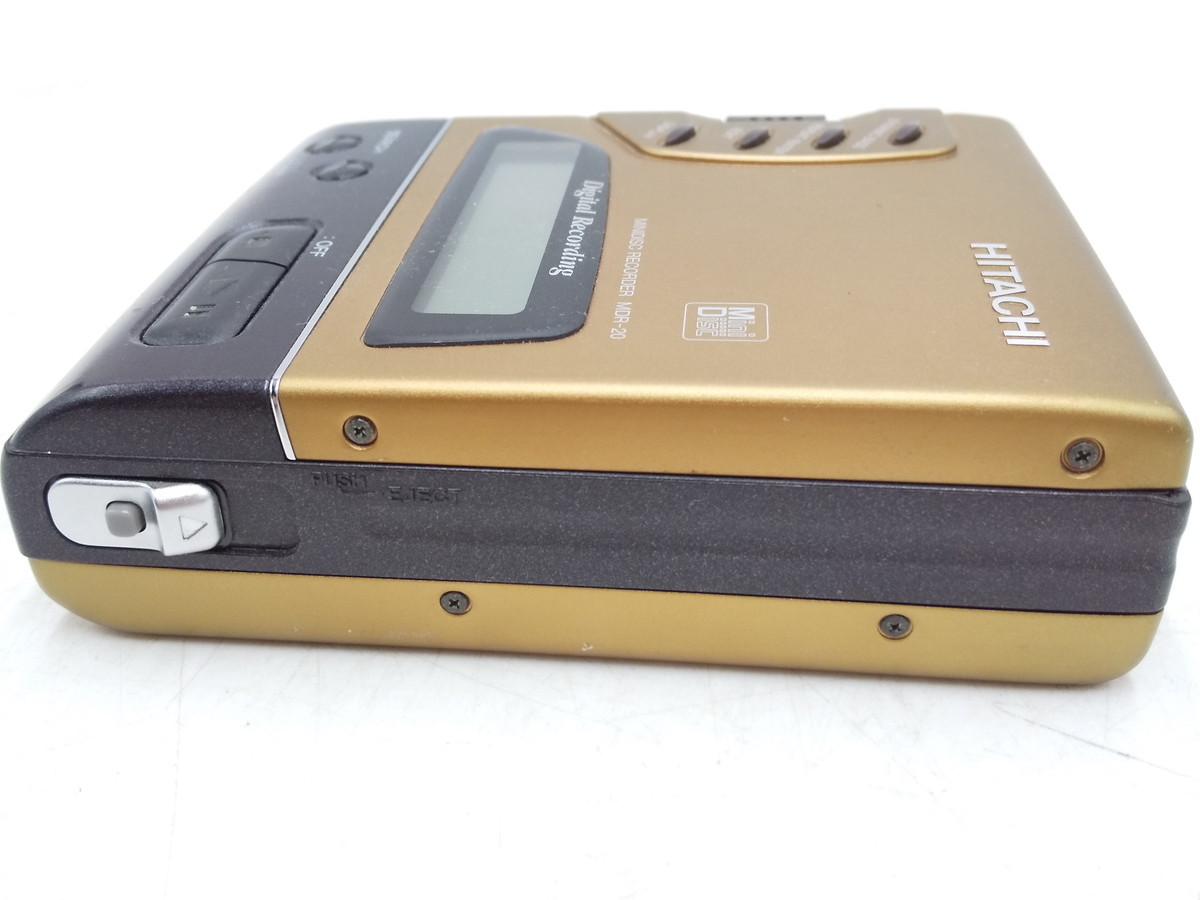
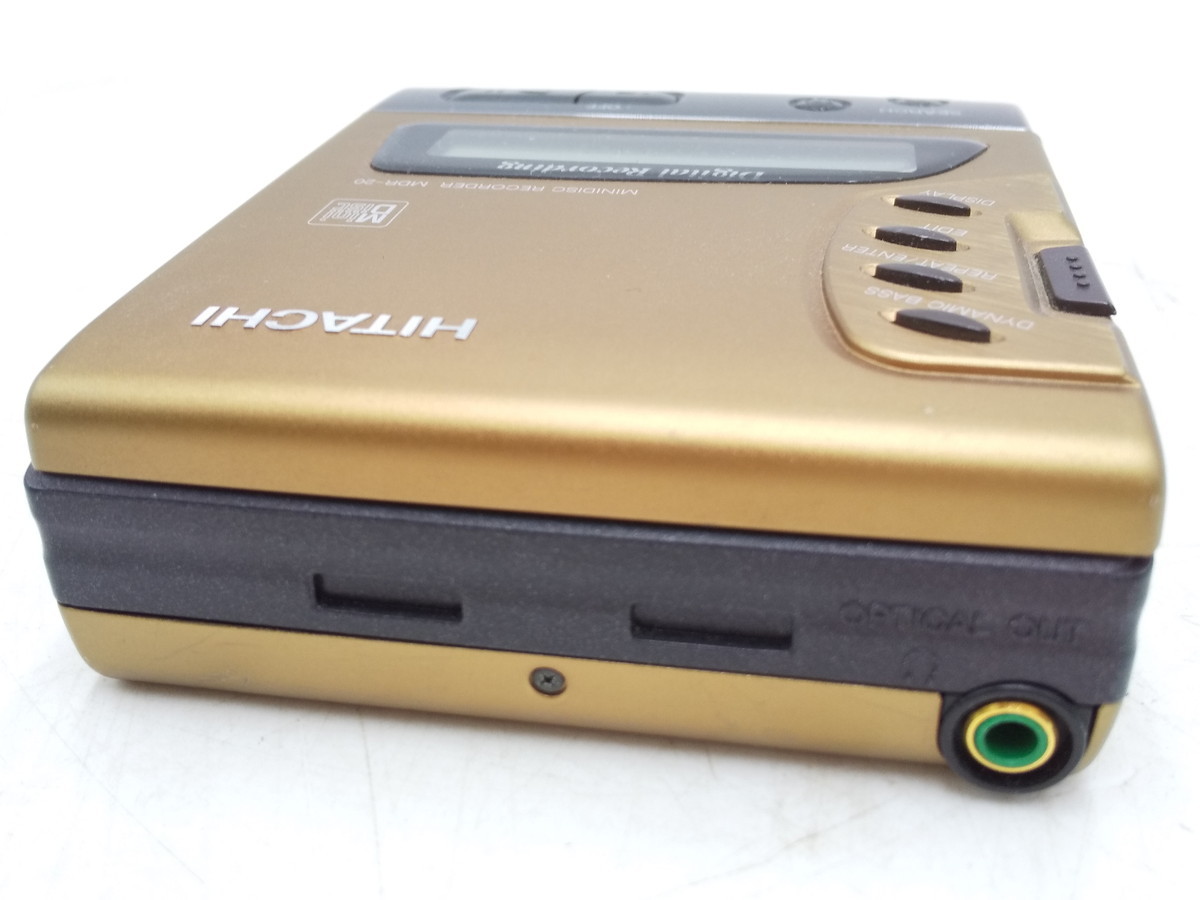
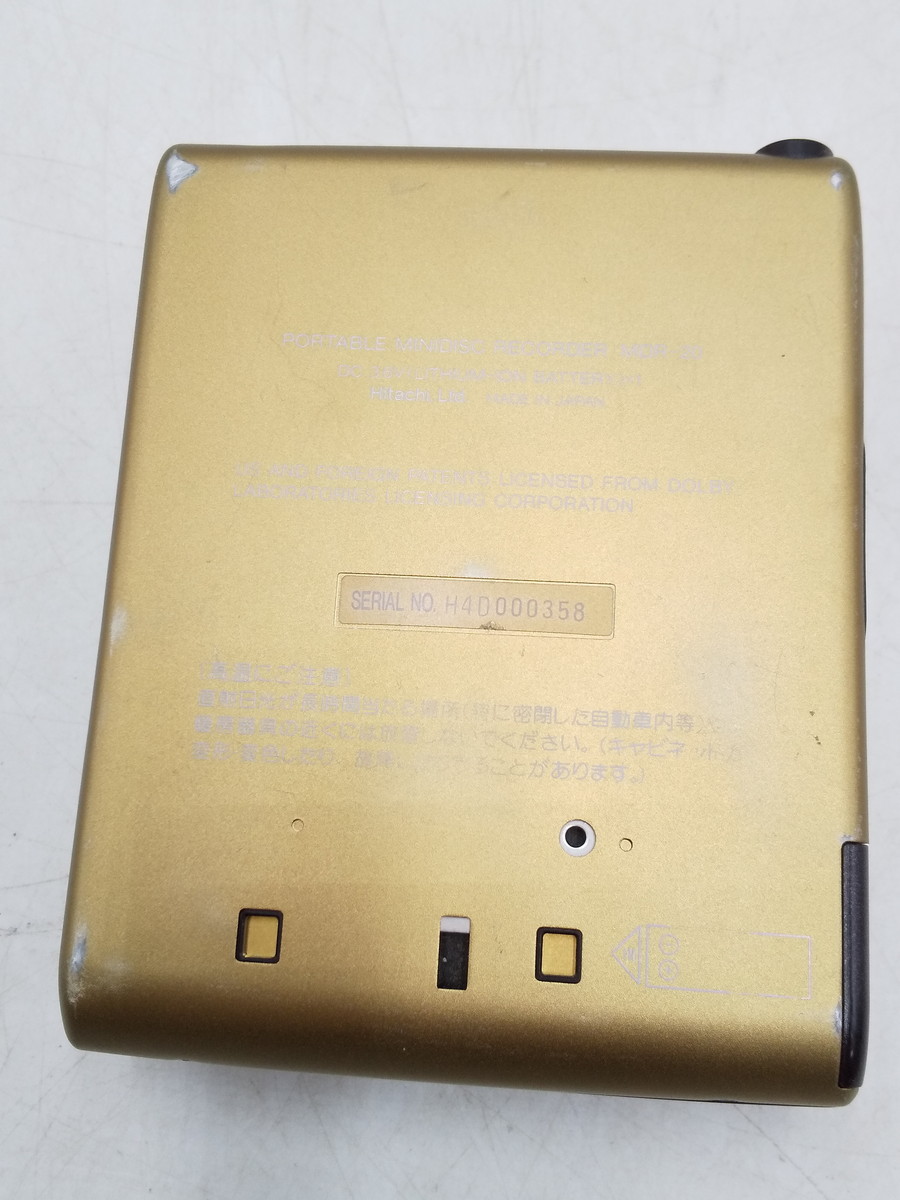
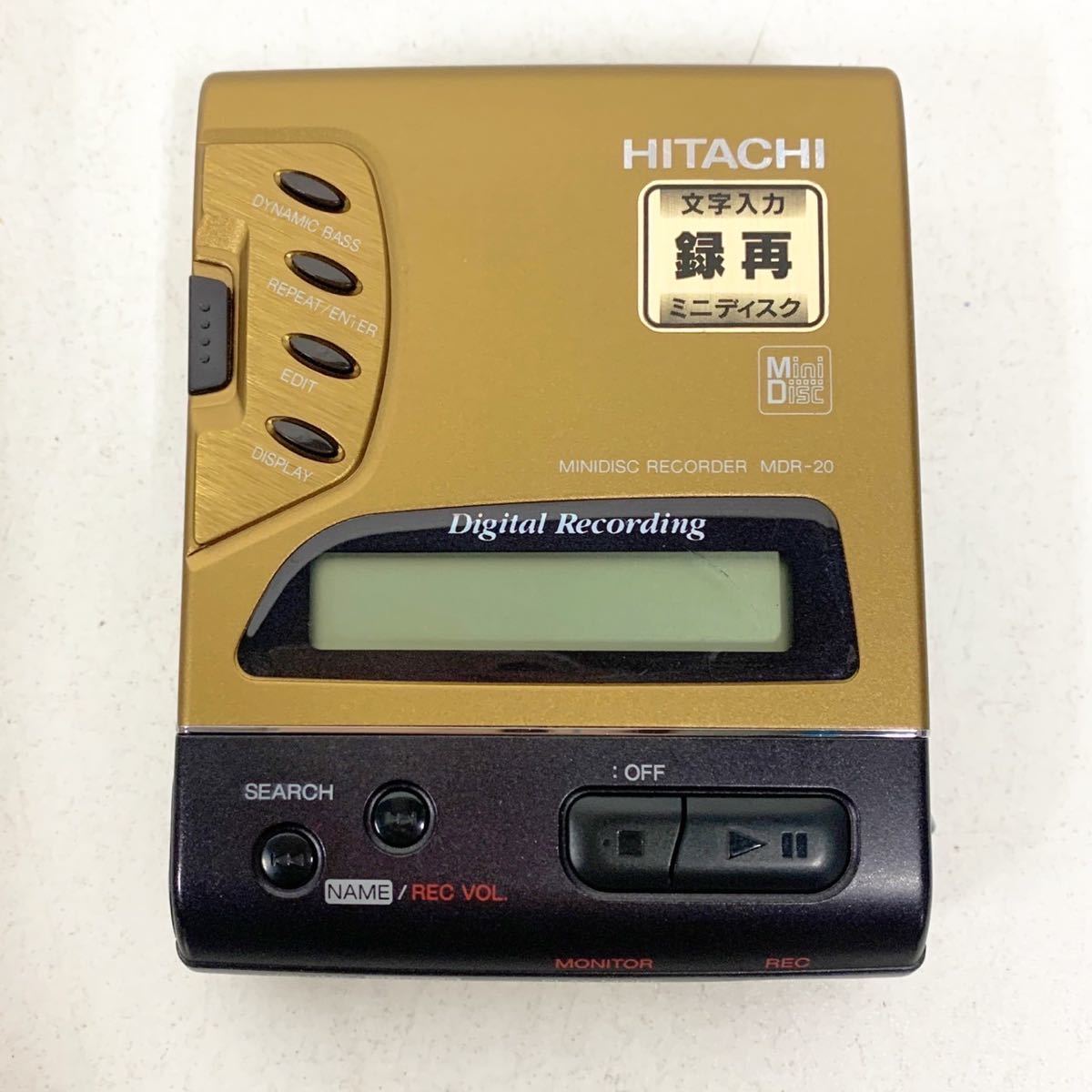
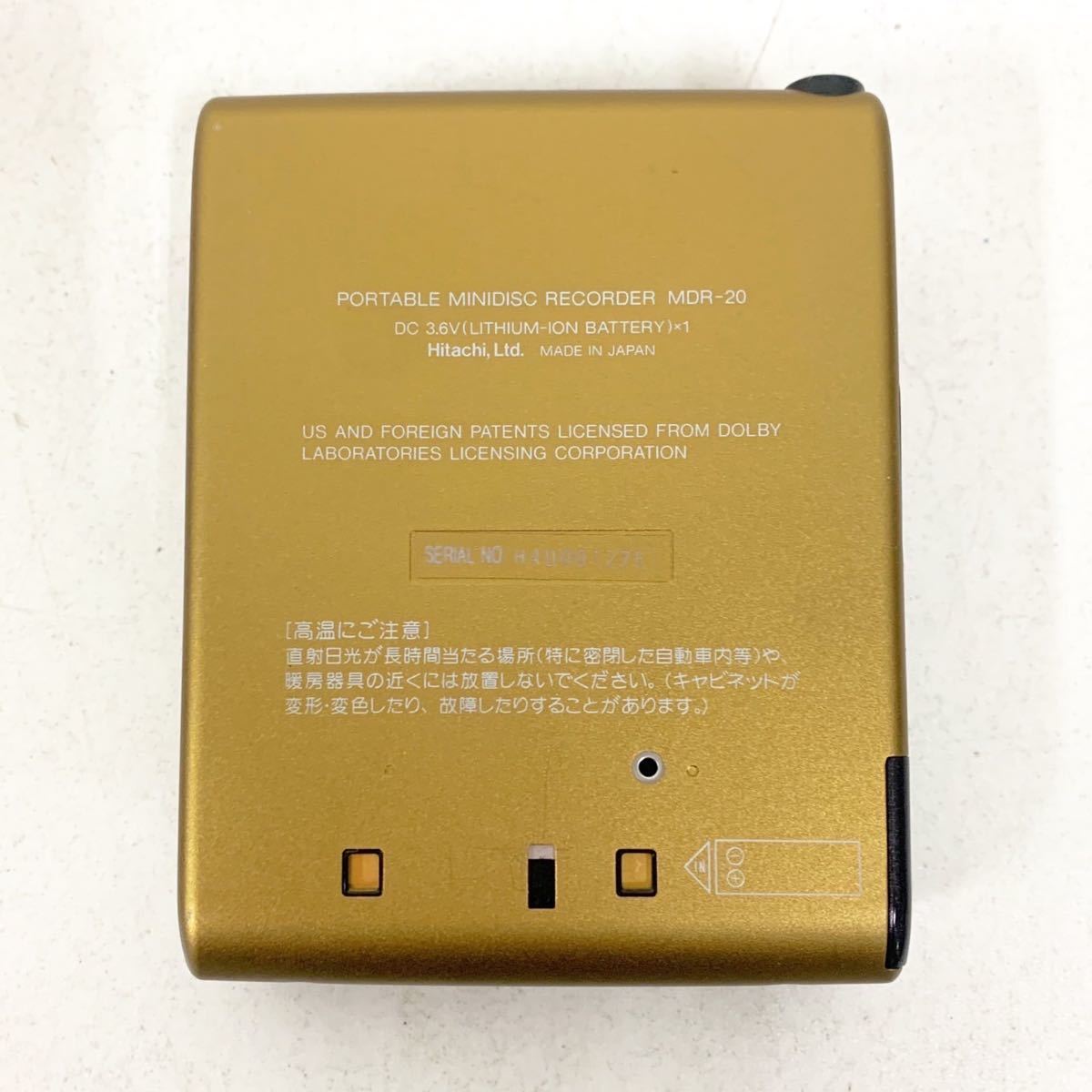
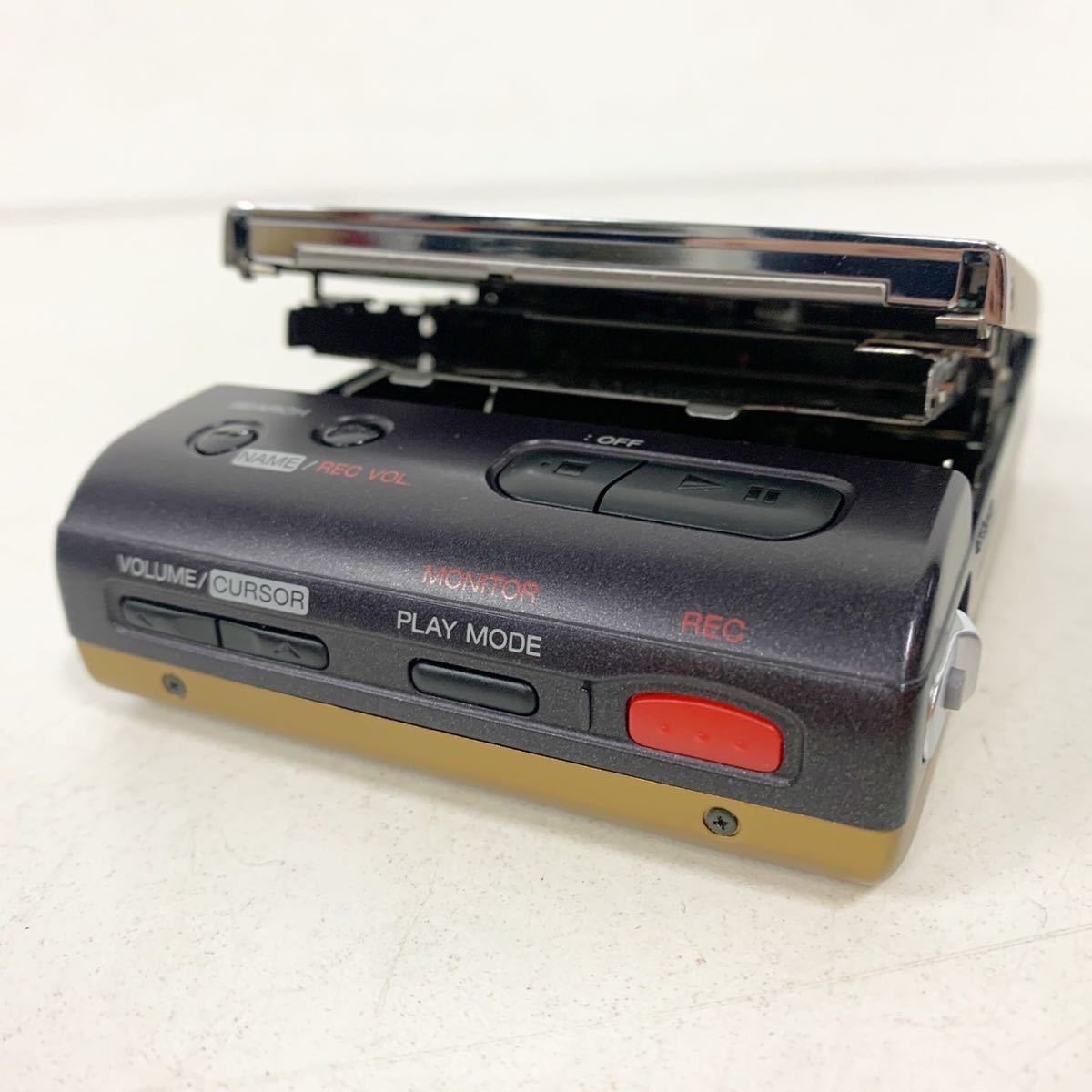
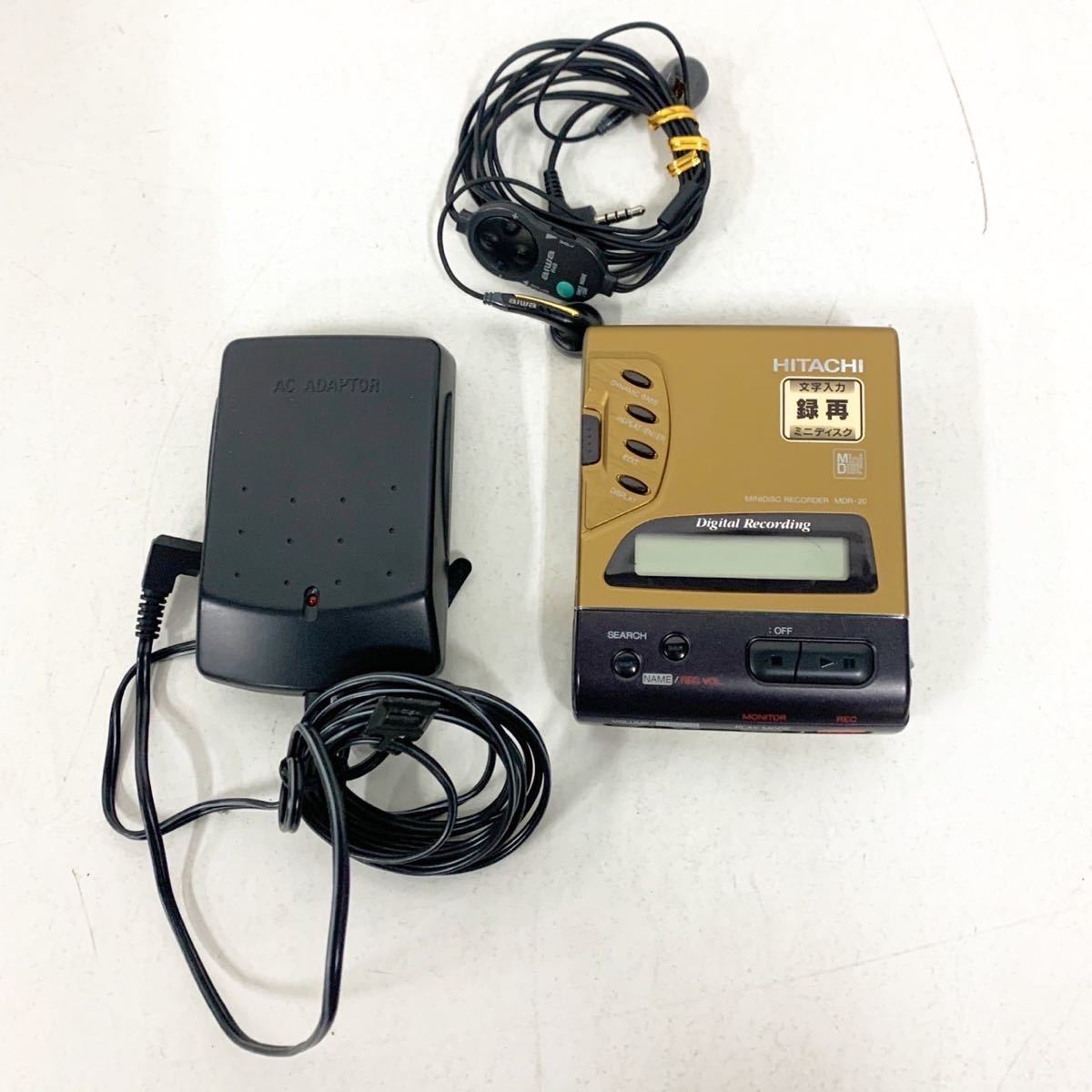
While it also used an OEM version (Sharp MD-M11), it featured a bold and beautiful coral color that was described by netizens as "seductive" due to its bold and vibrant appearance.
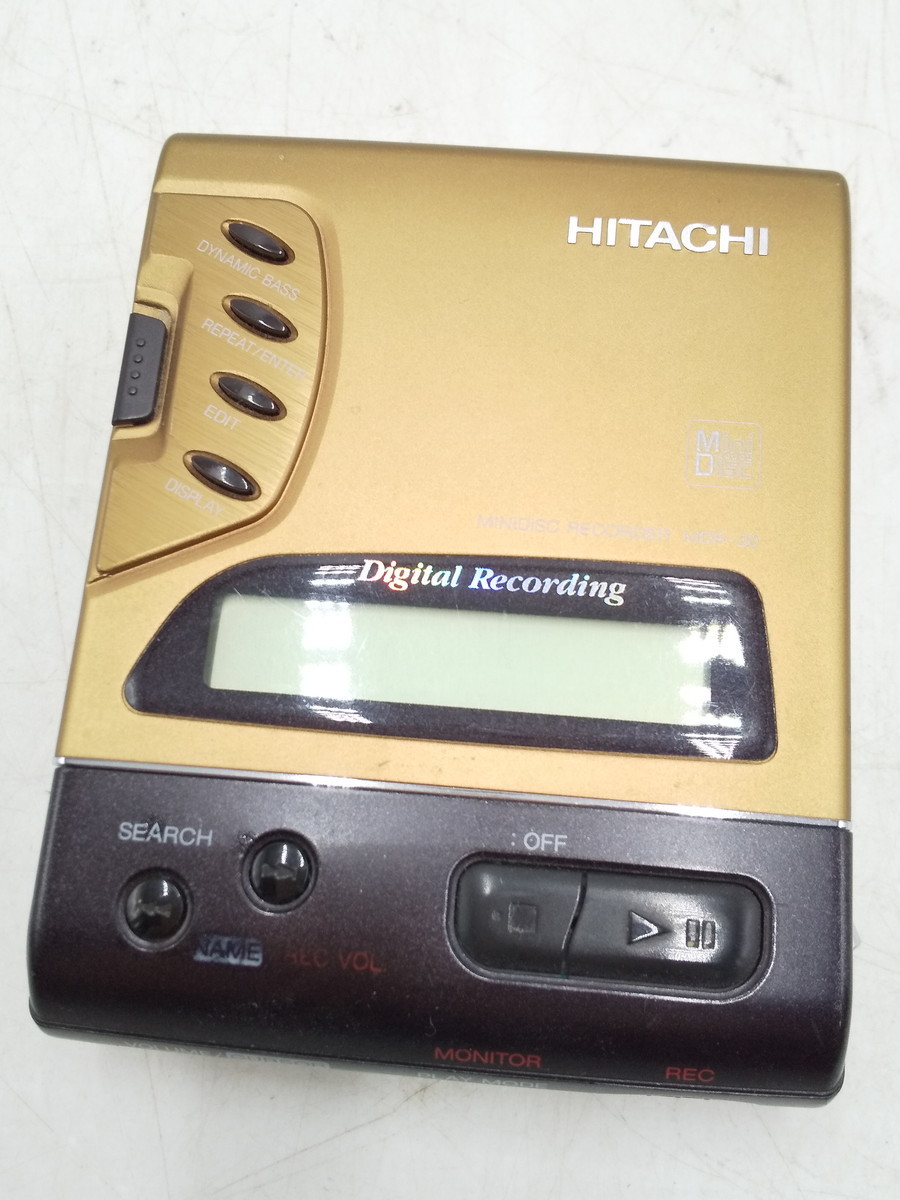
The elongated LCD screen and large text made for simple and intuitive reading, but the thick trapezoidal screen border appeared visually crowded.
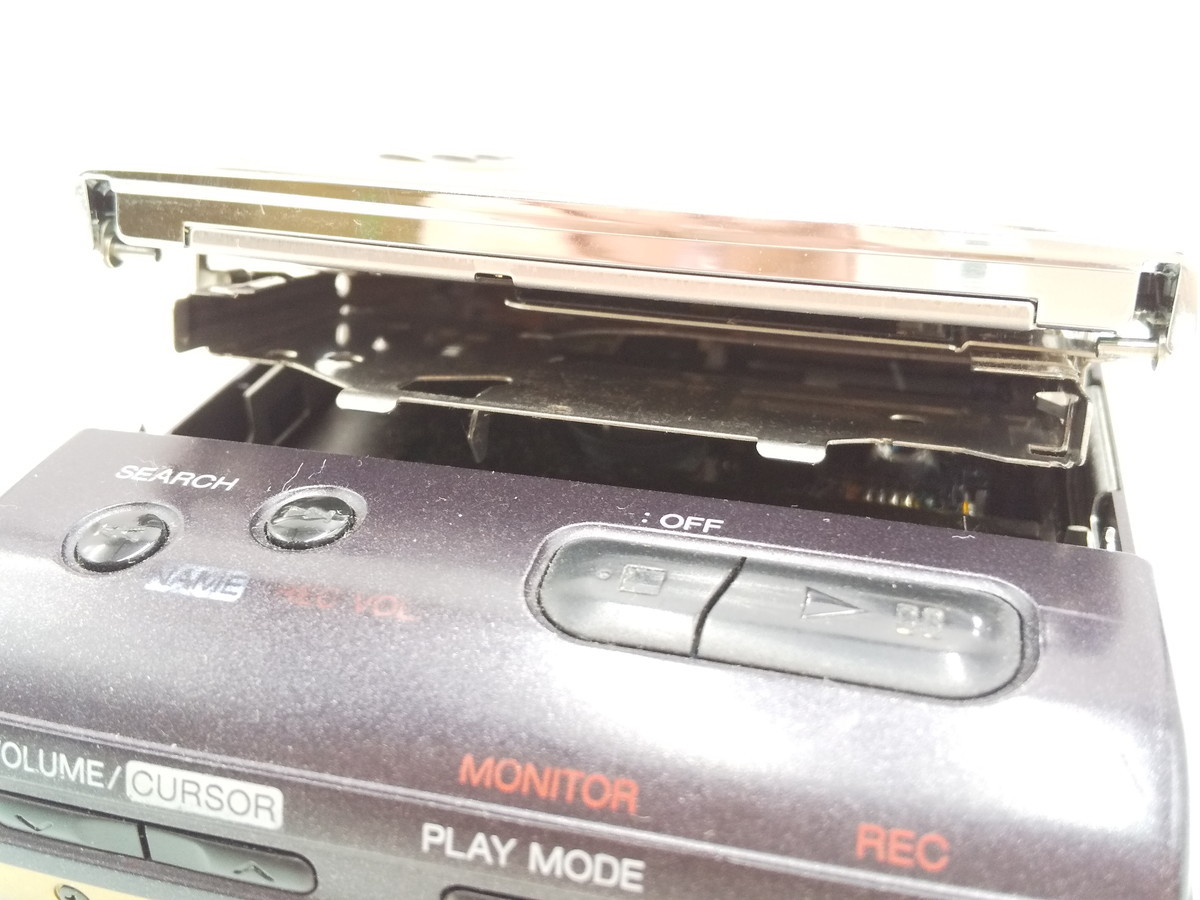
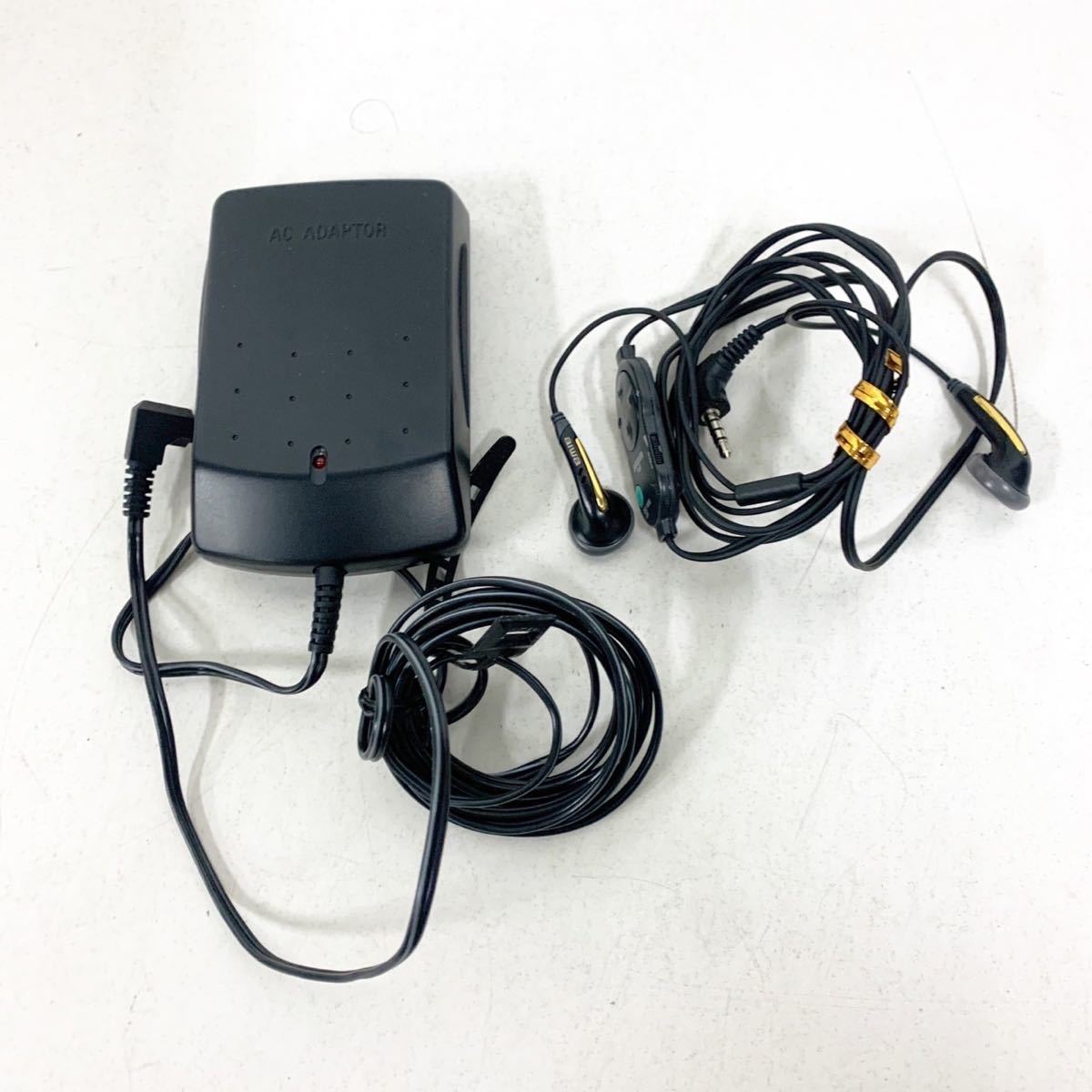
Equipped with luxurious independent fiber optic input/output terminals and a three-stage X-Bass sound effect, it also came with an integrated line control operation. Unfortunately, it did not use a separate design, so the line control would have to be replaced along with the headphones in the future.
The battery life was not very useful, with only 2 hours of recording and 2.5 hours of playback, but it was fortunate that an external battery box (6x AA) could be used to increase the battery life to a maximum of 6.5 hours of recording and 9 hours of playback.
Perhaps due to its "unique" color and the lack of brand popularity, it is considered to be the rarest of the OEM models released during the same period. It is also unfortunate that Hitachi's MD player was a flash in the pan, and this Only One model disappeared without a trace after its release.
From original Google translation: It's regrettable because it's unreasonable.
Content adapted from: jimdofree
Manuals
Repair
Photos
Have photos or data to add? Edit the page! We do not accept contributions via email.