Source: MiniDisc Wiki contributors · September 3, 2026 snapshot · CC BY 4.0, except where otherwise credited.
Attribution and changes
Adapted from “Sharp MD-R1”. Links, layout and file names normalized; missing database fields restored; remote embeds replaced with links. Manufacturer manuals and separately credited photographs retain their original attribution.
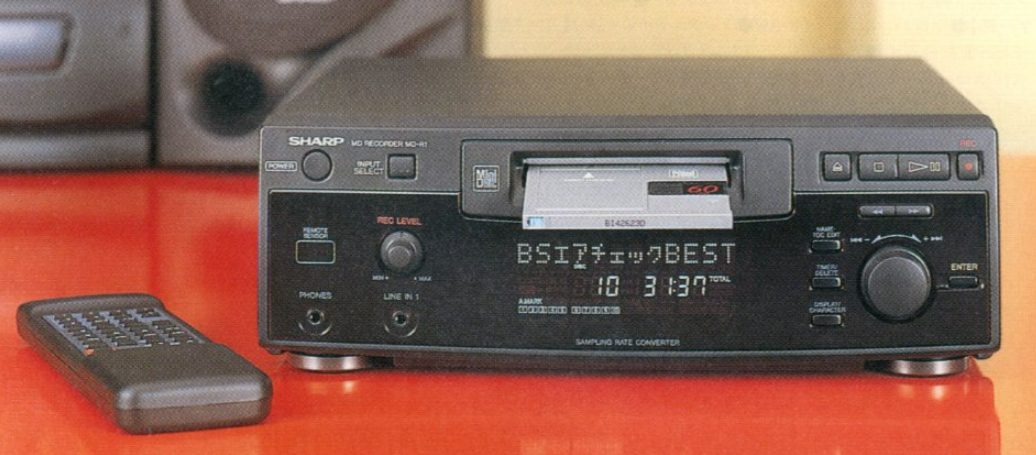
| Name | MD-R1 |
|---|---|
| Manufacturer | Sharp |
| Released | 1995/12 |
| Device type | deck |
| Recorder | Recorder |
| MDLP | No |
| NetMD | No |
| Hi-MD | No |
| Radio | No |
| Dimensions | 270 x 93 x 311mm |
| Weight | 3.1kg |
| ATRAC ver | Not recorded |
| Battery | Not recorded Not recorded |
| Battery notes | Not recorded |
| Sidecar (depr) | No |
| Voltage | 100 |
| Power cable | AC |
| Price (launch) | Not recorded |
| ¥59 000 | |
| - | |
| Inputs | RCA in, Digital optical (TOSLINK), Digital coaxial |
| Outputs | 3.5mm headphone, RCA out, Digital optical (TOSLINK) |
| Control | Not recorded |
See also: Kenwood DM-F70, Pioneer MJ-P5
Features: Sampling rate converter. Synchro recording (start recording when audio appears at input). Title search. Built in wall clock based timer for recording and playback.
Criticism: Sampling rate conversion is a very convenient feature. It will be a must for MD decks before long. But be careful to check the performance. I found the specs of Sharp's sampling rate converter in IEEE trans. on consumer electronics. They are .. S/N 90dB, Distortion 0.005% (1kHz) That's about 14-bit accuracy. I've not yet checked the sound quality myself, but I'm afraid that it will affect the sound quality of low level music [when sampling rate conversion is used]. -Takeshi SASAKI
Content adapted from: Minidisc.org page Sharp Product Page Sharp Product Page (MiniDisc Wiki mirror)
Manuals
Repair
Photos
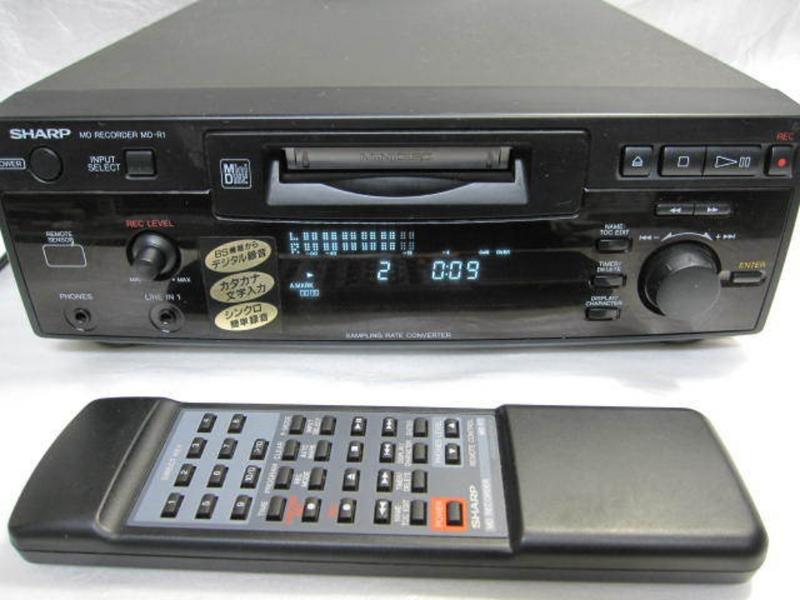
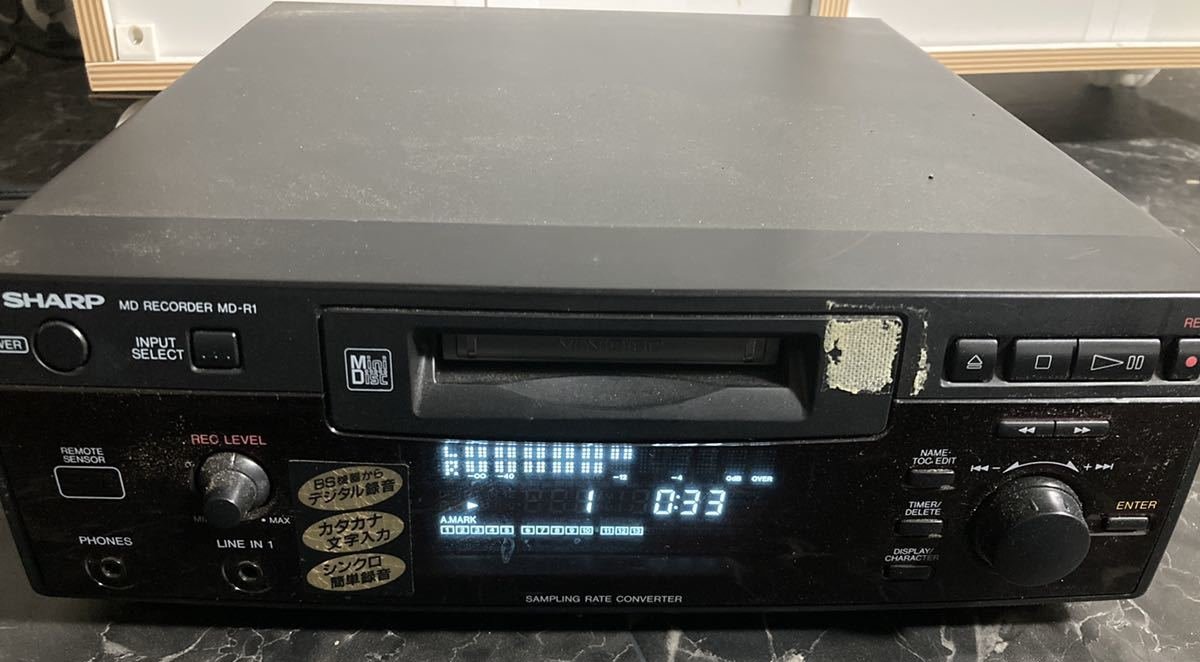
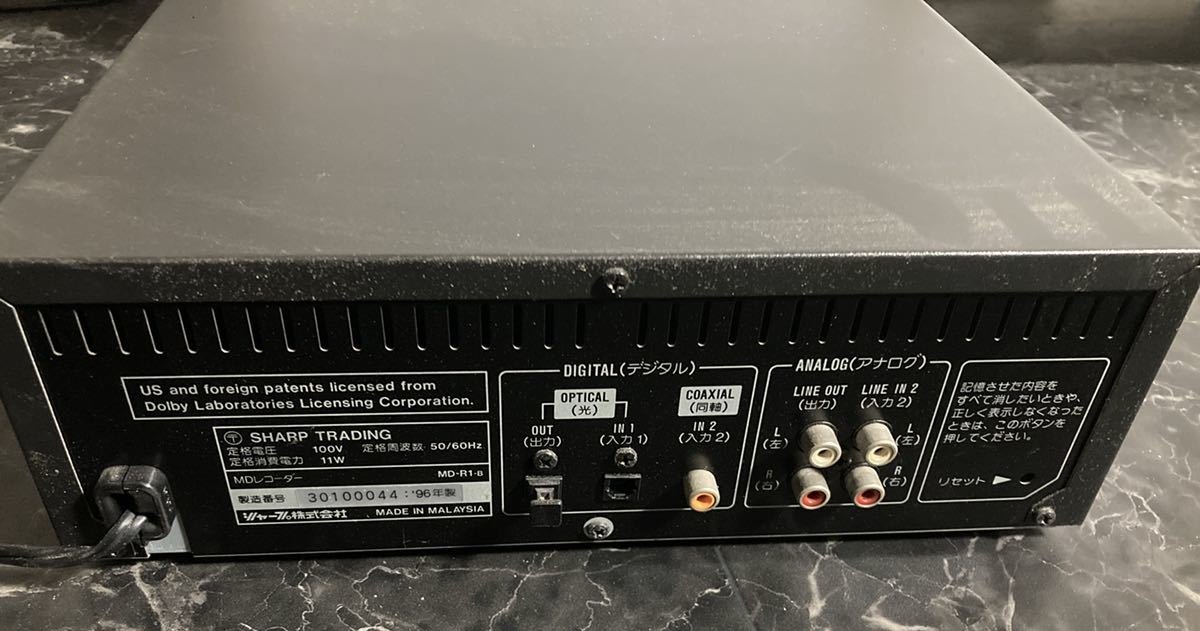
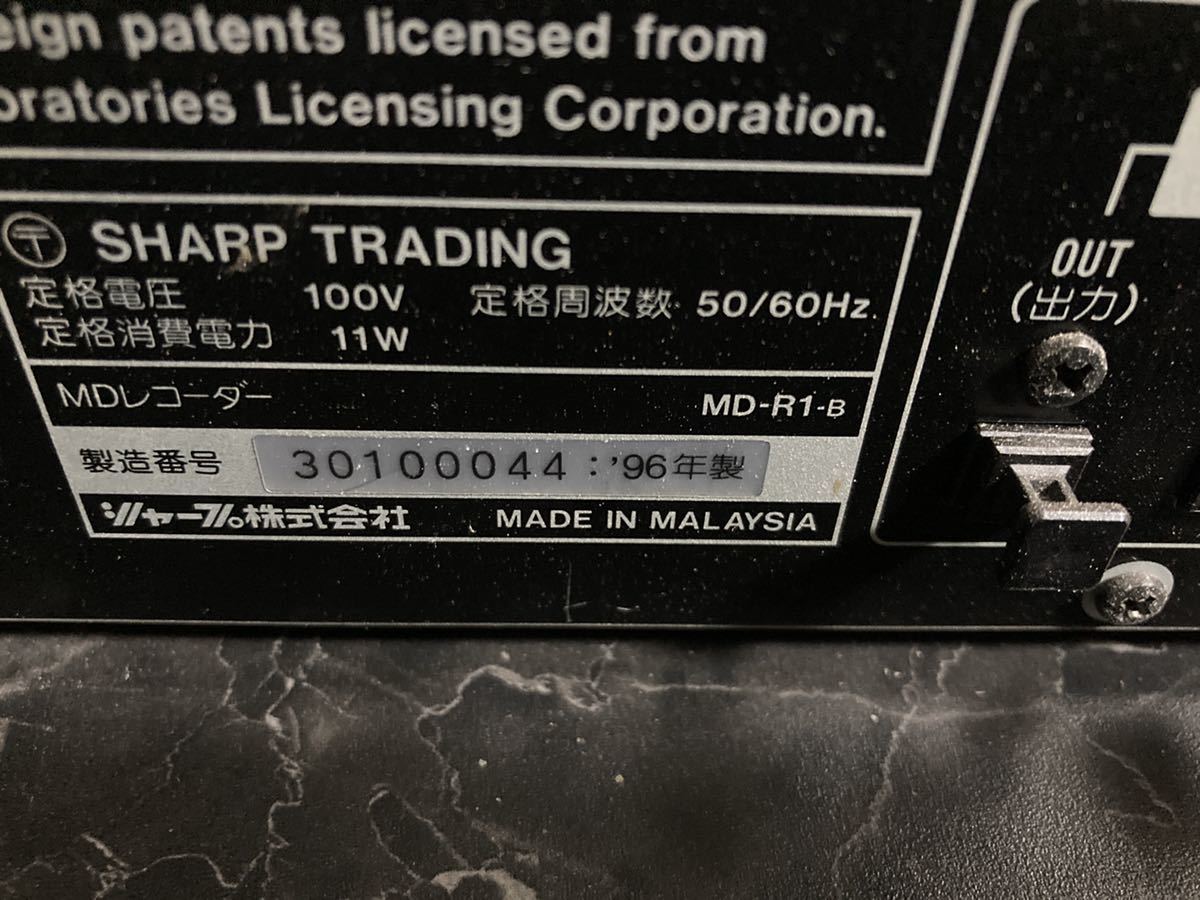
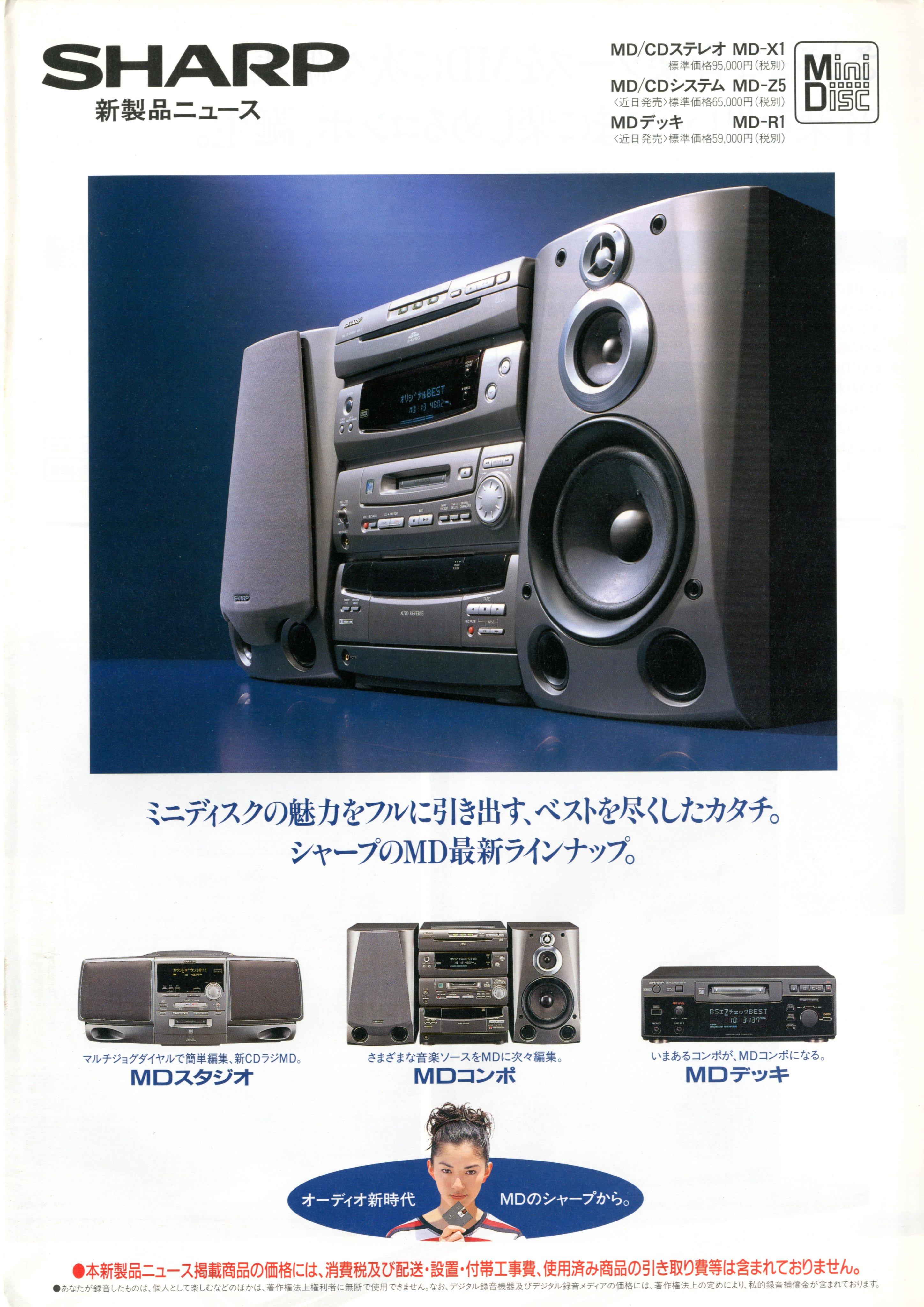
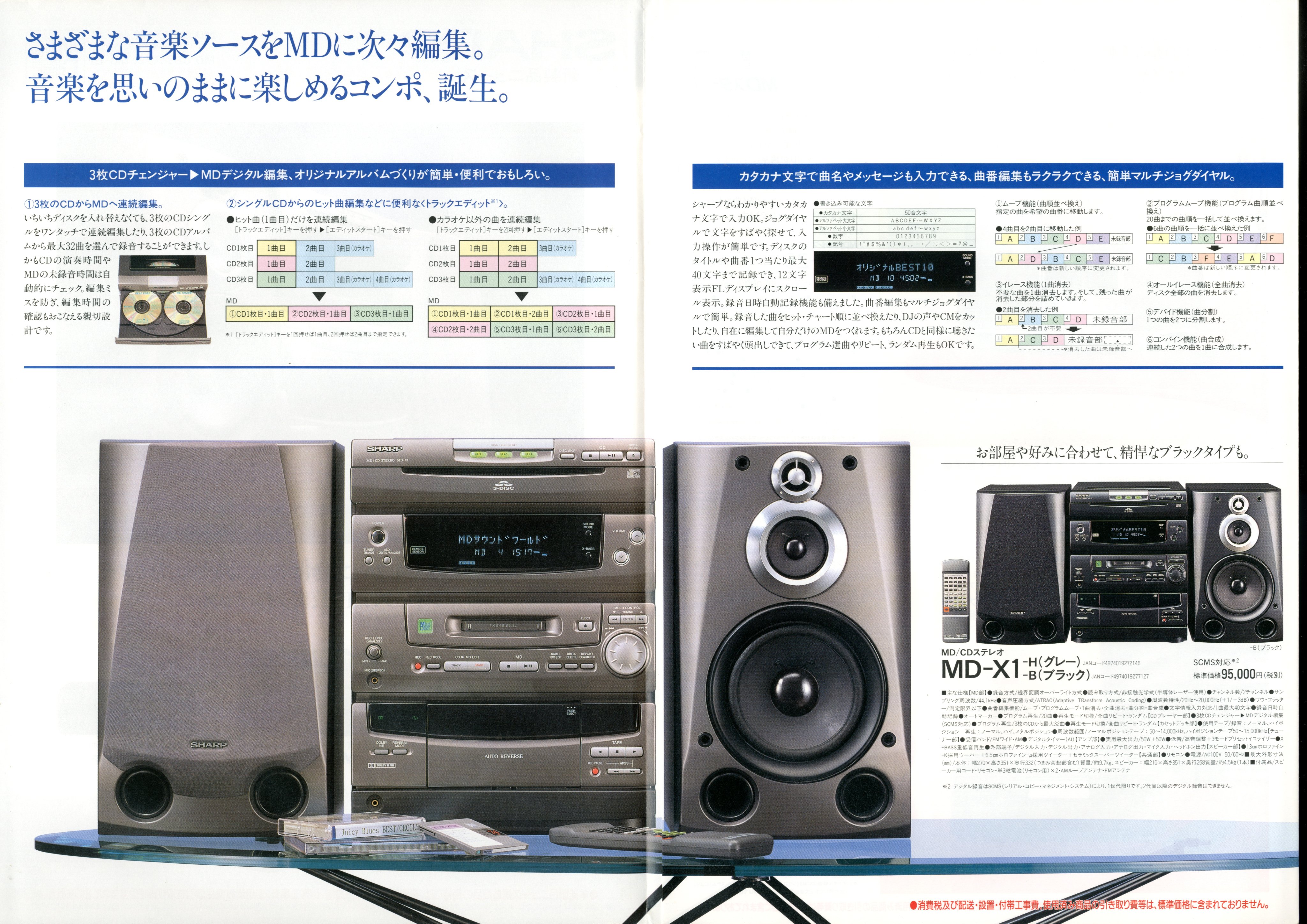
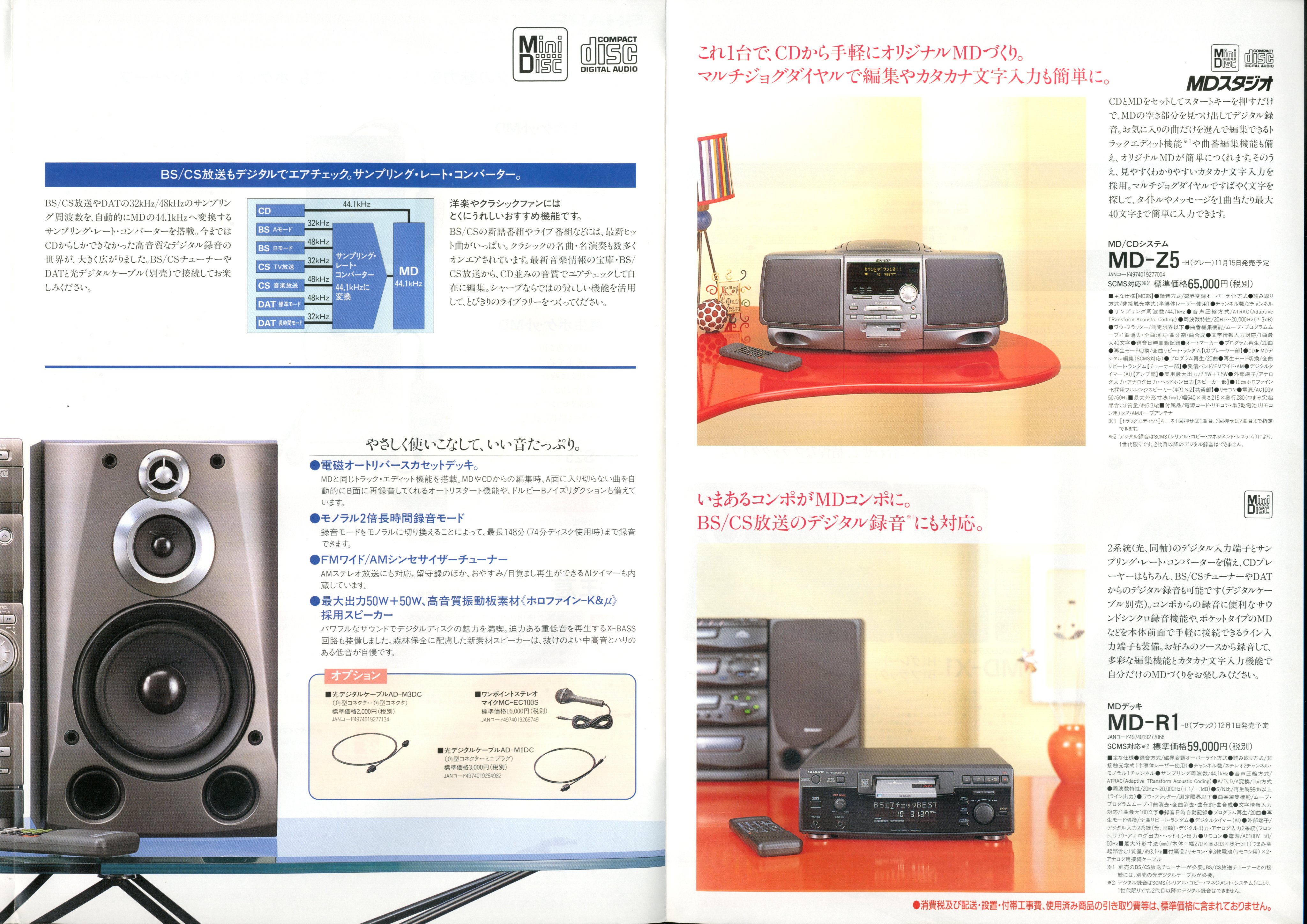
Have photos or data to add? Edit the page! We do not accept contributions via email..
Additional specifications and references
| Scms | Yes |
|---|---|
| Web Md | No (not NetMD) |
| Manual | |
| Region | Japan |